How to Choose a Pickleball Paddle
Disclosure: We may earn a commission when you purchase through links on this page, at no additional cost to you. Affiliate disclosure
Play style spectrum
Control paddles favor soft hands and placement.
Balanced paddles cover most recreational games.
Power paddles help drive pace and put-aways.
14mm
- Thinner core
- More responsive / generally more pop
- Can feel less plush on blocks and resets
16mm
- Thicker core
- Softer feel / generally more control
- Often preferred by newer recreational players
Standard
Balanced reach and sweet spot
Elongated
More reach and leverage
Widebody
More forgiveness width-wise
Hybrid
Between standard and elongated
Grip circumference fit
- Hold the paddle as you would on court. A comfortable fit usually leaves a small finger-width gap between your fingertips and palm.
- Common recreational sizes sit around 4.0–4.5". Oversized grips can reduce wrist snap; undersized grips can encourage over-gripping.
- When between sizes, start smaller and add an overgrip rather than jumping to a thicker handle you cannot reverse easily.
What beginners should prioritize
Beginners should prioritize forgiveness, comfort, and a sensible budget over tour-level power. A midweight paddle with a thicker core (often 16mm) in the roughly $60–$150 range is usually enough to learn resets, dinks, and clean contact. Avoid buying a premium elongated carbon paddle simply because a favorite pro uses one.
Start with skill and budget
Skill level and budget filter more bad purchases than any single material claim. Beginners should usually stay under $100–$150 unless they already play several times a week. Intermediate players can justify premium paddles when they can describe a specific need: more control, more power, or more spin.
Decide control vs power
If your misses sail long, prioritize control and thicker cores. If you can already keep the ball in and want more put-away pace, look at power-leaning carbon paddles. If you are unsure, choose balanced recreational options first and use the Paddle Finder or beginner guide before specializing.
Paddle weight and maneuverability
Lighter paddles favor hand speed and lower fatigue; midweight paddles suit most recreational doubles; heavier paddles can add stability at the cost of quicker arm fatigue. Always confirm the manufacturer weight range for the exact colorway—retail listings sometimes mix variants.
Paddle shape and sweet spot
Standard shapes balance reach and forgiveness. Elongated shapes add reach and leverage but can feel less forgiving off-center. Widebody shapes trade some length for width. Hybrid shapes sit between standard and elongated. Shape is a tradeoff map, not a skill badge.
Thickness and playing characteristics
Thinner cores (often around 14mm) generally feel more responsive/poppy. Thicker cores (often 16mm, sometimes more) generally feel softer and more controlled. Thickness alone does not determine performance—compare full model specs and intended player profile.
Surface and core materials
Fiberglass faces are common in value paddles and can feel lively with approachable texture systems. Carbon faces are common in premium paddles marketed for spin and durability of texture. Polymer honeycomb cores dominate modern paddles; foam walls and thermoforming appear more often in premium constructions. Read manufacturer language carefully and avoid assuming every carbon paddle plays the same.
Grip sizing
Grip circumference should feel secure without forcing a death grip. A common fit check leaves a small gap between fingertips and palm when holding the handle. If you are between sizes, starting slightly smaller and adding an overgrip is usually easier than committing to a thick handle you cannot reverse.
Common purchasing mistakes
Buying maximum power too early, ignoring grip comfort, shopping only by brand hype, skipping shoe upgrades when footwear is unsafe, and trusting unverified live prices or invented review scores. Another mistake: opening ten near-duplicate “best of” tabs instead of deciding skill, budget, and play style first.
Appropriate budgets
Many recreational players do well between $60 and $180. Under $100 can be an excellent first real paddle. $100–$150 is a strong recreational band. $150+ makes sense when you play often and can name the trait you are buying. More spend does not automatically mean better for your game.
How to compare specifications
Compare exact model name, thickness, weight range, length/width, grip length/circumference, surface, core, shape, and approval status when listed. Prefer manufacturer pages or clearly labeled retail specs. If two listings disagree, treat the manufacturer page as the higher-trust source and re-check before purchase.
When upgrading makes sense
Upgrade when your current paddle clearly limits a skill you already perform—soft hands, put-aways, or spin shape—not when you hope a new paddle will create those skills. If you cannot describe the limitation, keep playing and revisit the beginner or overall buying guides later.
Next steps
Paddles to consider
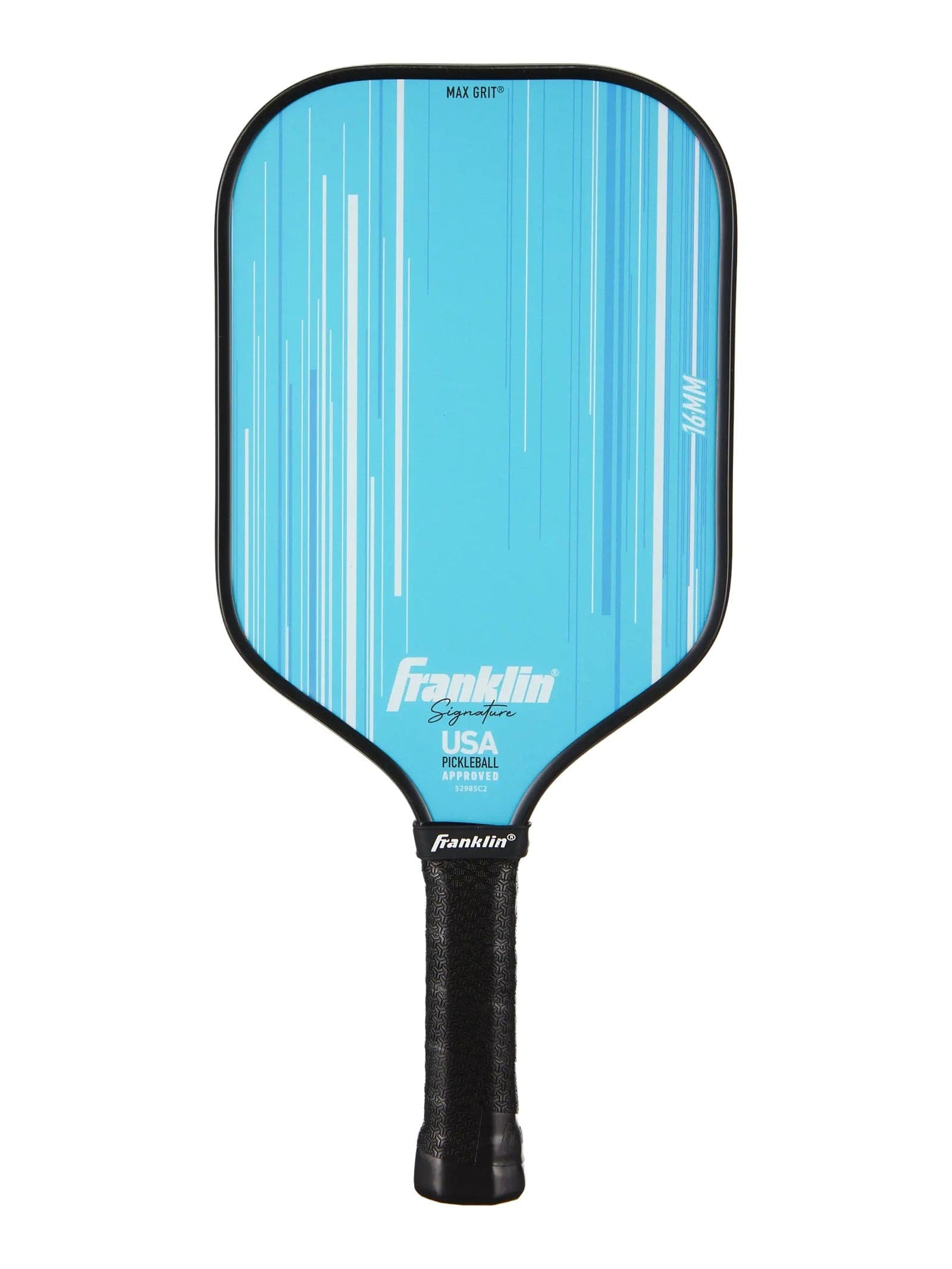
Franklin Sports
Signature Pro 16mm
A widely available fiberglass 16mm paddle that makes sense as a first real upgrade for recreational players.
- Beginners upgrading from a starter paddle
- Players shopping around or under $100
- Recreational players who want a forgiving fiberglass face
Approx. $70–$100
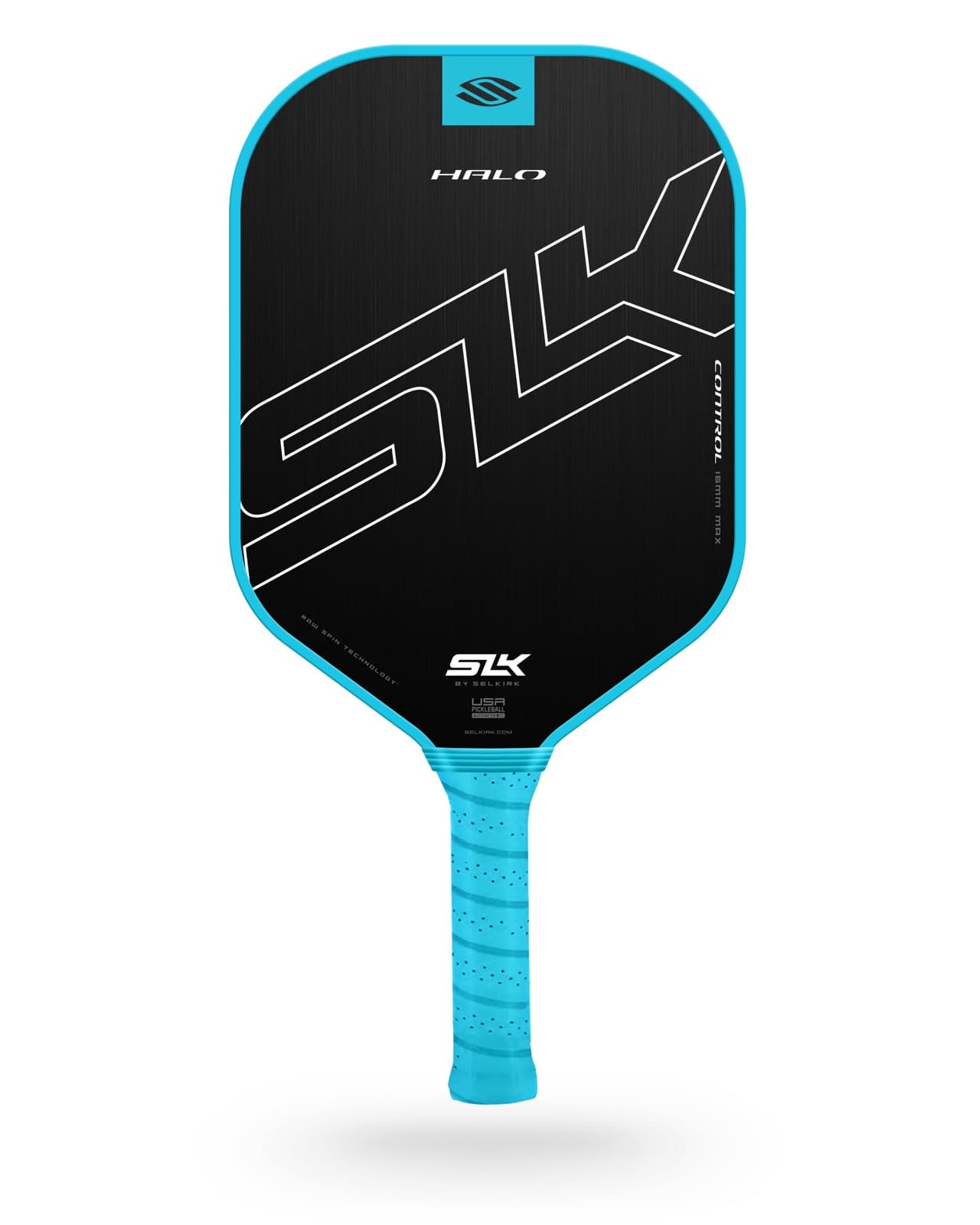
SLK by Selkirk
HALO Control Max
A mid-price 16mm carbon control paddle that fills the gap between sub-$100 fiberglass upgrades and $200+ Selkirk/JOOLA flagships.
- Players stepping up from fiberglass value paddles into mid-price carbon control
- Recreational players who want a 16mm control core without $200+ flagship pricing
- Shoppers comparing under-$150 control options with useful surface texture
Approx. $120–$140
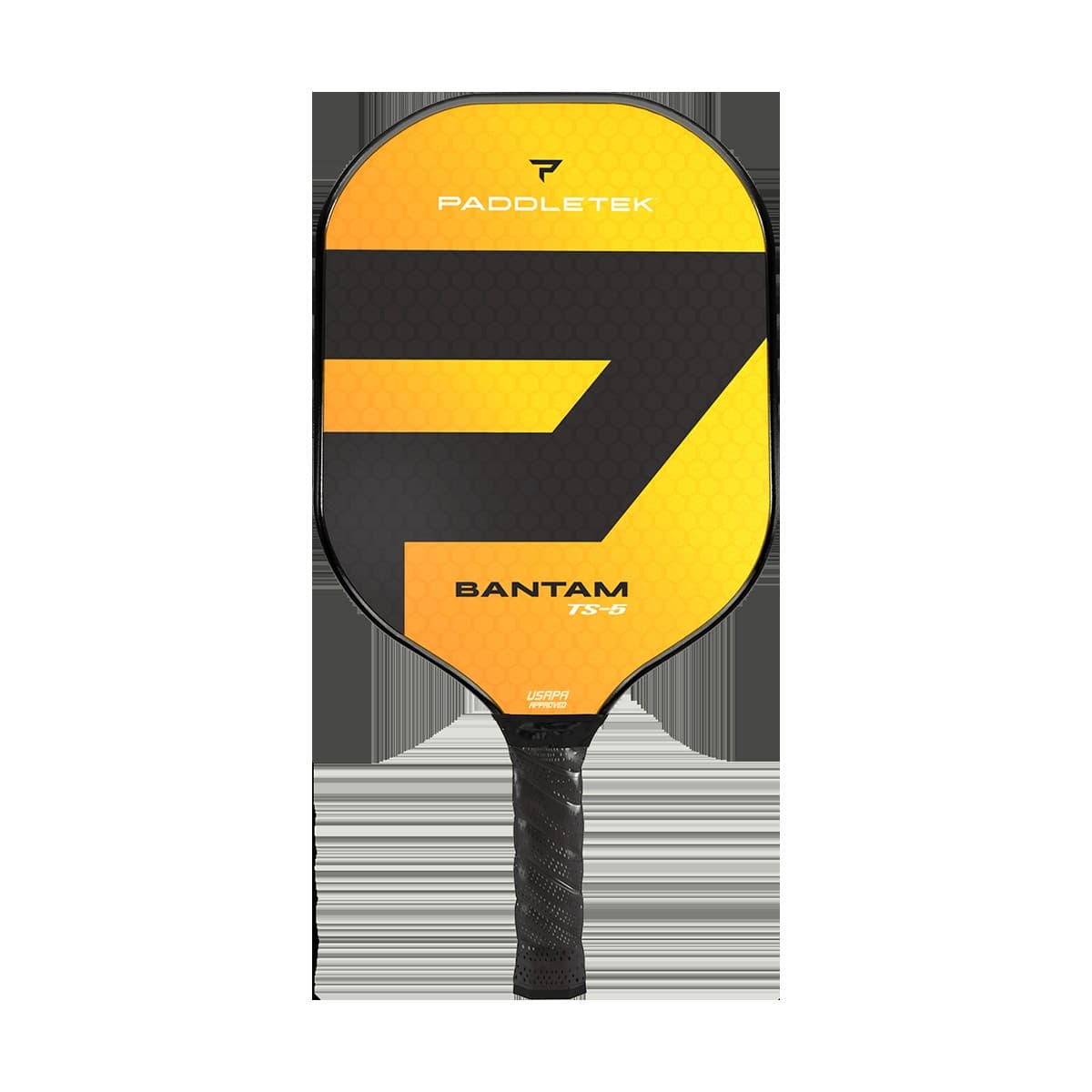
Paddletek
Bantam TS-5
A lightweight fiberglass-hybrid paddle from Paddletek—best framed as a hand-speed / value pick, not a thick-core carbon control paddle.
- Players who want a truly lightweight paddle
- Recreational players seeking faster hands at the kitchen
- Shoppers who want a reputable sub-$100 all-court option
Approx. $80–$100
FAQ
Troxgo Editors
Research & editorial
We research manufacturer specs, compare paddles against consistent criteria, and explain who each product actually makes sense for—without fabricated “we tested it” claims.
Published 2026-03-20 · Updated 2026-10-08
Related reading
14mm vs 16mm Pickleball Paddles
A clear comparison of 14mm and 16mm pickleball paddle cores for recreational players.
Pickleball Paddle Weight Guide
How lightweight, midweight, and heavier pickleball paddles differ—and who each range helps.
Pickleball Paddle Shapes Explained
Standard, elongated, widebody, and hybrid pickleball paddle shapes—and who each shape helps.
How Much Should You Spend on a Pickleball Paddle?
A practical spending guide for recreational pickleball players from starter upgrades to premium paddles.
Best Pickleball Paddles for Beginners
Beginner-friendly pickleball paddles that prioritize forgiveness, control, and value for recreational players.
Best Pickleball Paddles
Our research-based shortlist of pickleball paddles for recreational players, organized by need and budget.
Best Pickleball Paddles Under $100
Strong recreational paddle options that typically land under $100 without relying on hype pricing.
Best Pickleball Paddles for Control
Control-focused pickleball paddles for players who prioritize soft hands, resets, and placement.